Artificial Intelligence
Google DeepMind Deploys On-Device Neural Architecture to Intercept Real-Time Synthetic Voice and Banking Scams
Mountain View research lab collaborates with international cybersecurity authorities to detect voice spoofing without transmitting private audio
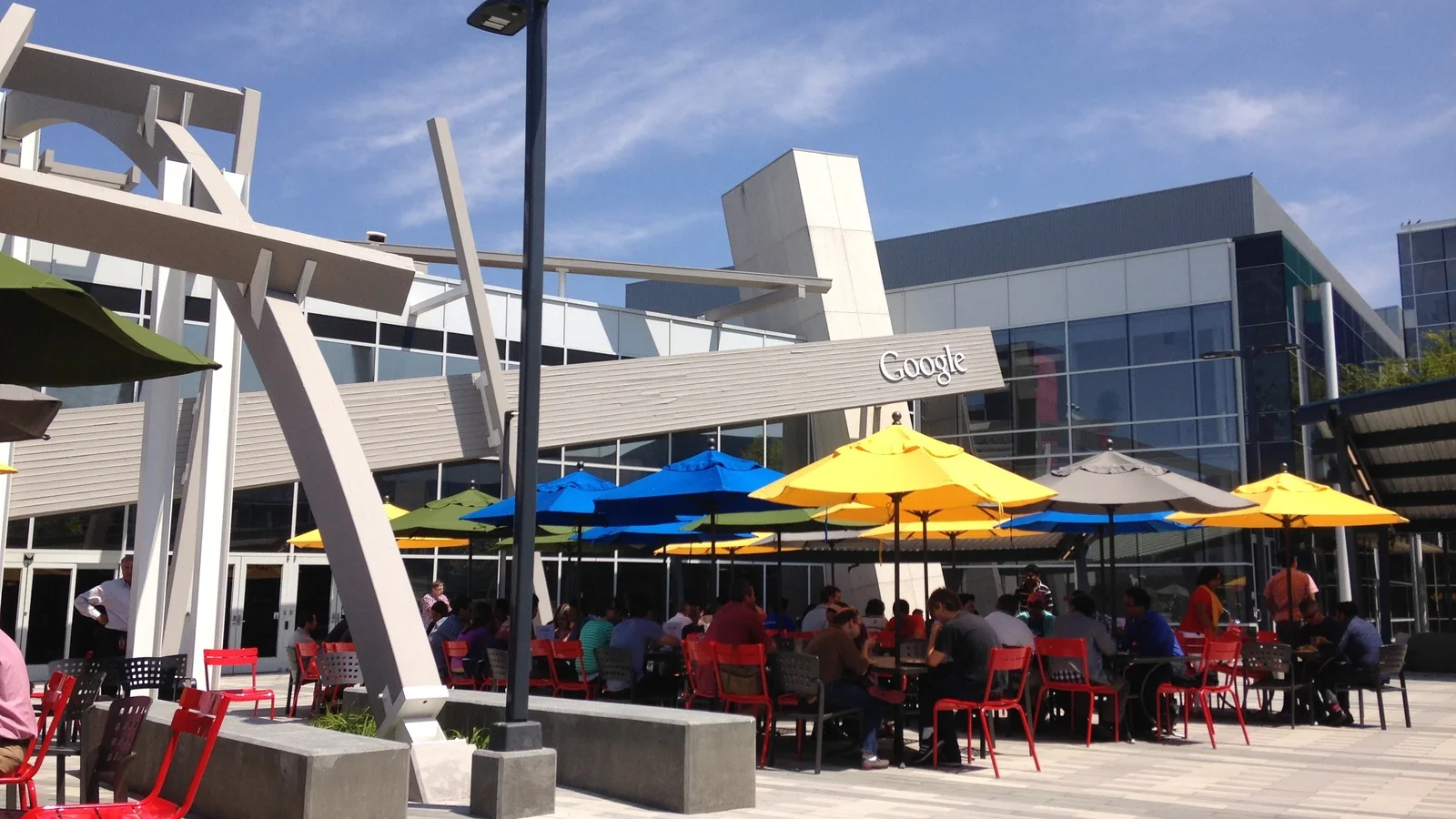
Google DeepMind engineers based in Mountain View officially deployed an on-device neural defense model on Wednesday designed to detect synthetic voice cloning and conversational banking fraud in real time. Developed in collaboration with international communications authorities, the compact machine learning architecture analyzes incoming audio waveforms directly on mobile device hardware, alerting subscribers to predatory manipulation patterns without transmitting confidential call content to external cloud servers.
The specialized model operates with sub-millisecond inference latency, evaluating spectral harmonics and acoustic discontinuities that characterize real-time voice synthesis and text-to-speech injection tools. When incoming audio exhibits acoustic fingerprints associated with synthetic voice cloning or known telephony fraud scripts, the operating system renders an immediate visual warning directly on the caller interface.
Public safety official leadership, municipal consumer protection board representatives, and the regional fraud task force department in Santa Clara and Alameda counties welcomed the technical deployment amid a sharp rise in artificial intelligence-enabled impersonation schemes. Recent state consumer protection audits indicated that generative voice fraud has increasingly targeted elder residents, small business operators, and municipal agencies with counterfeit executive instructions and urgent financial demands.
Cybersecurity researchers in Berkeley and Palo Alto highlighted the critical privacy milestone represented by on-device verification. By isolating conversational processing entirely within local smartphone secure enclaves, the system satisfies stringent state and international data privacy statutes while providing robust, ambient immunity against increasingly sophisticated algorithmic social engineering attacks.
Regional telecommunications analysts noted that on-device fraud mitigation represents an essential architectural shift away from centralized carrier filtering. Because modern spoofing syndicates constantly rotate international gateway numbers and utilize dynamic IP telephony, localized acoustic inspection provides an ungameable evidentiary layer that protects consumer bank balances regardless of transmission origins. Privacy advocates particularly commended the architecture for performing all signal classification in ephemeral cache memory, guaranteeing that personal conversations are never logged, transcribed, or stored on device flash memory.
Google DeepMind confirmed that the fraud detection system is rolling out as an integrated security layer across flagship Android hardware throughout North America this month. Research teams are currently expanding the neural model's training benchmarks to encompass regional multilingual telephony variations, with international telecommunication carrier partnerships scheduled to debut in early 2027.
Comments (0)
No comments yet. Be the first to share a thought on this story.