Security
Microsoft Digital Crimes Unit and Global Law Enforcement Dismantle Vast Phishing Kit Syndicate
Coordinated international operation seizes command servers and unmasks commercial toolkits used to target tens of thousands of corporate organizations worldwide.
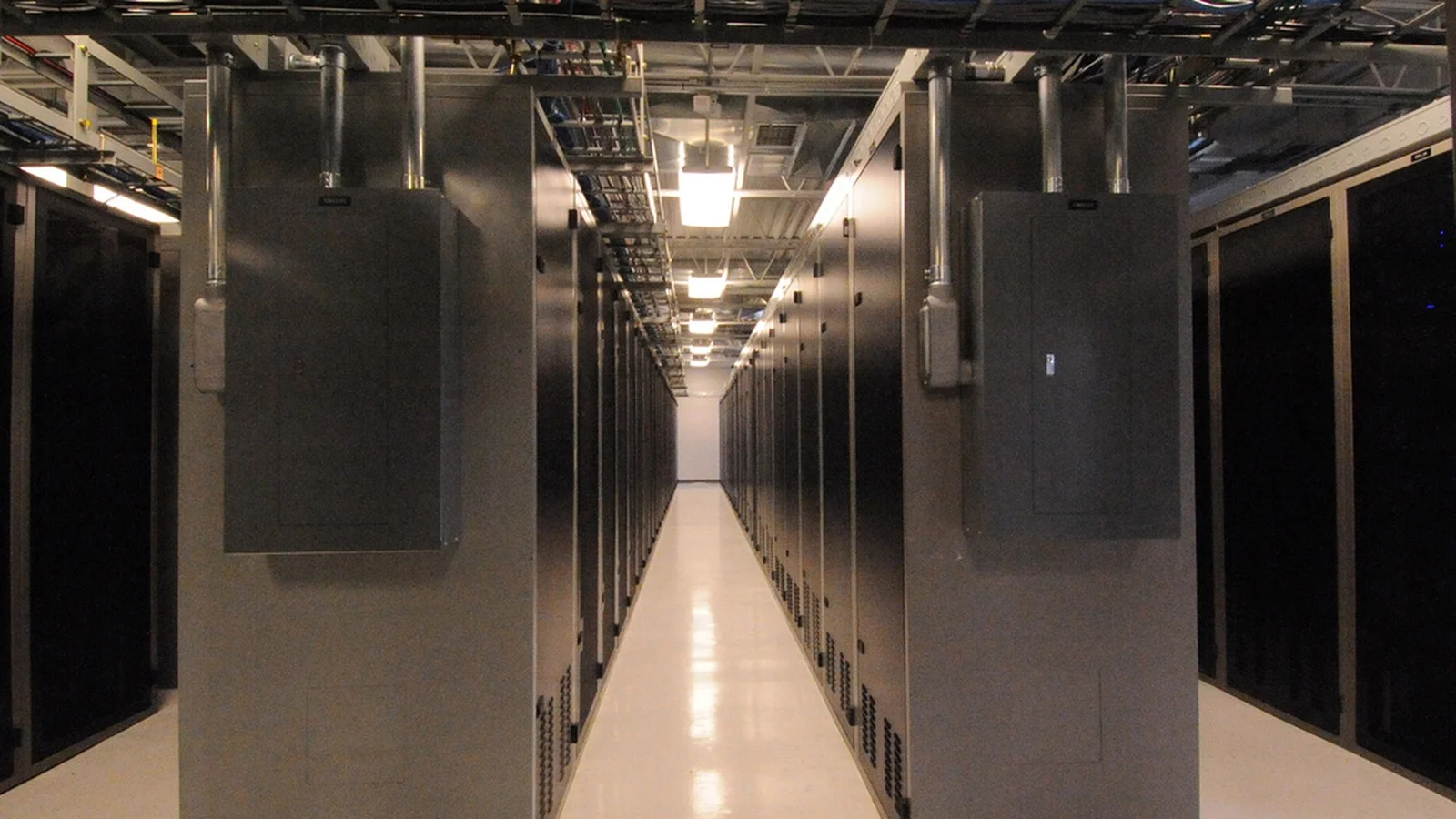
Microsoft announced a major global cybersecurity victory on Thursday, confirming that its Digital Crimes Unit collaborated with international law enforcement and healthcare security coalitions to dismantle a massive commercial phishing syndicate. The multi-jurisdictional enforcement action successfully seized critical command-and-control infrastructure powering an expansive ecosystem of automated phishing-as-a-service platforms. Investigative telemetry shows that over the past ten months, cybercriminal syndicates weaponized the commercial toolkit to dispatch more than one billion malicious email messages targeting 75,000 corporate organizations across North America, Europe, and Asia.
Technical documentation published by Microsoft security researchers indicates the dismantled infrastructure utilized dynamic adversary-in-the-middle proxy architectures designed to bypass standard multi-factor authentication defenses. The illicit platform distributed turnkey phishing templates impersonating enterprise cloud productivity suites, banking portals, and electronic document signing services, allowing low-skilled threat actors to harvest session tokens in real time. Cybersecurity analysts determined that the modular toolkit featured automated anti-analysis defenses, cloaking landing pages from security crawler inspection while serving malicious authentication forms to legitimate enterprise employees.
Information security directors and managed service providers throughout San Francisco and Silicon Valley praised the coordinated disruption, emphasizing that industrialized phishing platforms have become the primary initial access vector for ransomware gangs. Commercial technology leaders noted that enterprise defenders have struggled to keep pace with automated phishing generators that produce thousands of unique subdomains each day. Industry analysts pointed out that seizing core infrastructure and domain generation algorithms delivers a substantial operational setback to illicit operators by invalidating active phishing campaigns.
The regional health information sharing council and federal cybersecurity oversight committees issued joint bulletins detailing proactive identity hygiene requirements for corporate IT departments. Regulatory officials emphasized that enterprise administrators should accelerate deployment of FIDO2-compliant passkeys and hardware authentication tokens that are cryptographically immune to adversary-in-the-middle proxy interception. The regional joint advisory panel recommended that organizations implement strict conditional access policies that evaluate device compliance and user location risk before granting access to sensitive cloud databases.
Corporate IT administrators and security engineers can review the complete technical teardown, indicator-of-compromise manifests, and defensive configuration guidelines through the Microsoft Security blog at microsoft.com/security. Microsoft incident responders and threat researchers scheduled an open technical briefing on Thursday, October 22, to share telemetry patterns extracted from the seized infrastructure. Enterprise defenders can verify whether their domain accounts were targeted by cross-referencing harvested session records published to authorized cybersecurity intelligence exchanges.
Comments (0)
No comments yet. Be the first to share a thought on this story.