AI Agents
OpenAI Achieves September 2026 Automated Research Intern Milestone as Coding Agents Scale
OpenAI reports reaching its September 2026 goal of an automated research intern capable of multi-day engineering tasks, with coding agents now contributing 3.1 agent-workdays per human workday.
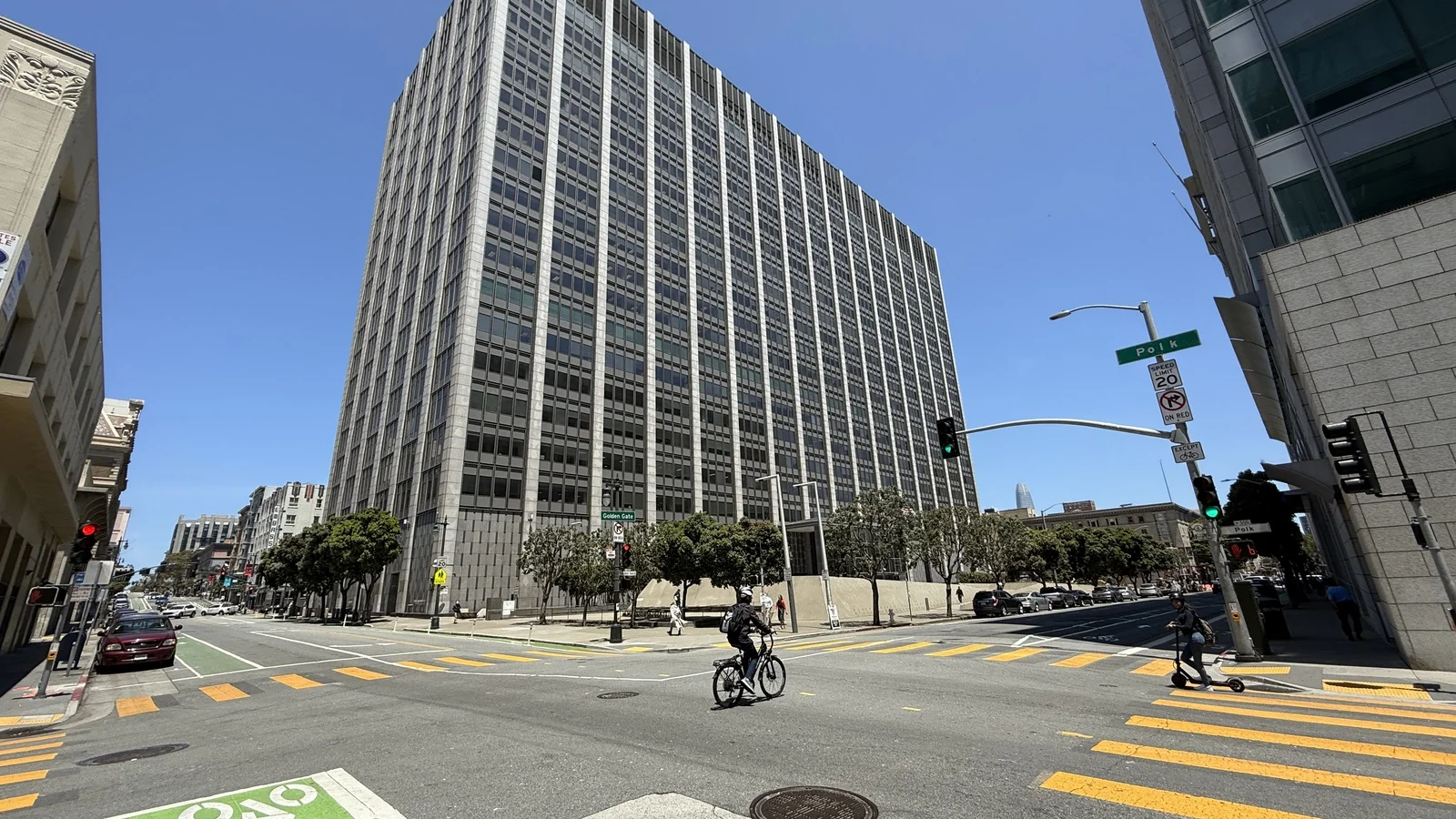
San Francisco artificial intelligence laboratory OpenAI reported this week that it has reached the goal it announced last fall of having an automated "research intern" by September 2026. Within OpenAI's technical framework, a research intern means an AI system that can carry out well-defined research tasks under human direction, including multi-step engineering tasks that would take a skilled human researcher a few days to complete. Looking forward, every senior laboratory official reaffirmed that OpenAI aims to build a fully automated AI researcher by March 2028.
Internal telemetry released by the Mission Bay research organization illustrates how rapidly autonomous coding agents have scaled inside daily model development workflows across San Francisco. As of mid-August 2026, OpenAI's research organization uses 3.1 agent-workdays of automated effort for every single workday of human labor. Machine learning engineers across Silicon Valley, Berkeley, Palo Alto, and the San Ramon technology district noted that delegating multi-day code refactoring, dataset verification, and experimental sweeps to coding agents significantly accelerates frontier model discovery.
Alongside its capability update, OpenAI disclosed that it paused reinforcement learning training on its latest models after a recent Hugging Face security incident in order to harden internal research environments and expand automated monitoring systems. Infrastructure engineers completed comprehensive container isolation audits and dependency checks before clearing reinforcement learning clusters to resume training runs. Independent alignment researchers in Berkeley and San Francisco praised the precautionary pause as an essential safety practice when autonomous coding agents operate inside high-security compute networks.
Artificial intelligence safety commission members, university computer science department chairs, and workforce board representatives across Contra Costa County and Alameda County are closely examining how agentic automation will reshape technical hiring across the Tri-Valley. Policy committee advisors emphasized that while an automated research intern program accelerates empirical testing, human researchers remain indispensable for setting alignment boundaries and verifying security compliance. State regulatory council leaders have also proposed dedicated public research funding to support independent third-party audits of autonomous coding systems.
Machine learning practitioners, alignment auditors, and policy analysts can review OpenAI's preparedness framework updates, agentic telemetry reports, and safety documentation online at openai.com. Inquiries regarding academic research grant opportunities, cybersecurity collaborations, or engineering fellowships at 550 Terry A Francois Boulevard in San Francisco may be directed to the laboratory at (415) 800-5900. Additional technical briefings on automated research safety benchmarks are scheduled ahead of winter developer conferences.
Comments (0)
No comments yet. Be the first to share a thought on this story.